Correct Answer

verified
Correct Answer
verified
A) in the Current Assets section of the balance sheet.
B) in the Current Liabilities section of the balance sheet.
C) in the Long-Term Liabilities section of the balance sheet.
D) in the Revenue section of the income statement.
F) A) and D)
Correct Answer
verified
Correct Answer
verified
A) 
B) 
C) 
D) 
F) A) and C)
Correct Answer
verified
Correct Answer
verified
Correct Answer
verified
Correct Answer
verified
B) False
Correct Answer
verified
Correct Answer
verified
A) $200.
B) $400.
C) $800.
D) $8,000.
F) C) and D)
Correct Answer
verified
Correct Answer
verified
Correct Answer
verified
First,the company must remove the book v...View Answer
Correct Answer
verified
View Answer
Correct Answer
verified
Correct Answer
verified
A) $408,000.
B) $400,000.
C) $398,000.
D) $392,000.
F) None of the above
Correct Answer
verified
Correct Answer
verified
A) it is required by law.
B) the account earns interest.
C) it is easier to do the bookkeeping on the bond interest.
D) it keeps the bond interest records separate for tax purposes.
F) All of the above
Correct Answer
verified
Correct Answer
verified
Correct Answer
verified
Correct Answer
verified
B) False
Correct Answer
verified
Correct Answer
verified
Correct Answer
verified
Correct Answer
verified
A) $24,000.
B) $30,000.
C) $32,000.
D) $60,000.
F) B) and D)
Correct Answer
verified
Correct Answer
verified
B) False
Correct Answer
verified
Correct Answer
verified
A) a credit to Bond Interest Payable.
B) a credit to Bond Payable.
C) a debit to Bond Interest Expense.
D) a debit to Bond Interest Payable.
F) B) and D)
Correct Answer
verified
Correct Answer
verified
A) $10,500.
B) $12,000.
C) $13,500.
D) $1,500.
F) None of the above
Correct Answer
verified
Correct Answer
verified
A) the current market value of the bonds.
B) the face amount plus the original premium or minus the original discount.
C) the face amount plus the interest accrued since the date the bonds were issued.
D) the face amount of the bonds.
F) B) and C)
Correct Answer
verified
Correct Answer
verified
Correct Answer
verified
Issuing stock will dilute an investor's ...View Answer
Correct Answer
verified
View Answer
A) 
B) 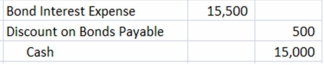
C) 
D) 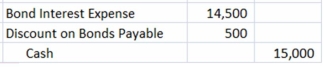
F) A) and C)
Correct Answer
verified
Correct Answer
verified
Showing 61 - 80 of 105
Related Exams